

Meet the Team
How to choose a therapist
Finding the right therapist can take time, and it’s completely okay if it doesn’t feel like the perfect fit straight away. A strong therapeutic relationship is built on trust, safety, and a sense of being understood, so it’s important to choose someone whose style and approach resonate with you. Don’t be discouraged if it takes a session or two (or even trying someone else) to find that connection. The right fit can make all the difference.
Choose someone you feel comfortable with. Therapy works best when you feel safe, seen, and able to be yourself.
Therapists use different methods, so look for one that aligns with how you’d like to explore or work (e.g. relational, somatic, trauma-informed).
Think about location, fees, availability, and whether you prefer in-person or online sessions.
You might value working with someone who understands your cultural background, identity, or life experiences.
All therapists at The Place Within have done their own therapy. We believe that having sat in the client’s chair is essential to offering grounded, compassionate care.
It’s okay to ask your therapist questions and to take your time finding the right fit.
Meet Your Therapists

Elan Zavelsky
Psychotherapist Easing depression and anxiety
Support through stress, burnout, and overwhelm
Exploring sexuality and gender (LGBTQIA++ support)
Dignity at the end of life - grief, loss and bereavement.
Relationship support - couples, triads, poly, ENM and more
Working with people in addiction

Leticia Santana Santos
Counsellor Anxiety and depression
Domestic and family violence past and current, either experienced or used in a relationship or in the family
Complex and developmental trauma – struggles with self-regulation, sense of self, triggers, self-esteem, attachment struggles
Sexual violence both past and recent
Grief and loss
Relationship issues

Bradley Benson
Counsellor Understanding the patterns and beliefs keeping you stuck
Navigating major life transitions and questions of identity and self
Gender, sexuality, neurodivergence, and questions of who you are
Works with couples and relationship issues
Anxiety, depression, and what lies beneath them
Dual diagnosis and complex presentations

Pema Tolstrup
CounsellorUnderstanding the patterns and beliefs keeping you stuck
Navigating major life transitions and questions of identity and self
Gender, sexuality, neurodivergence, and questions of who you are
Alcohol, other drugs, and what sits alongside them
Anxiety, depression, and what lies beneath them
Dual diagnosis and complex presentations
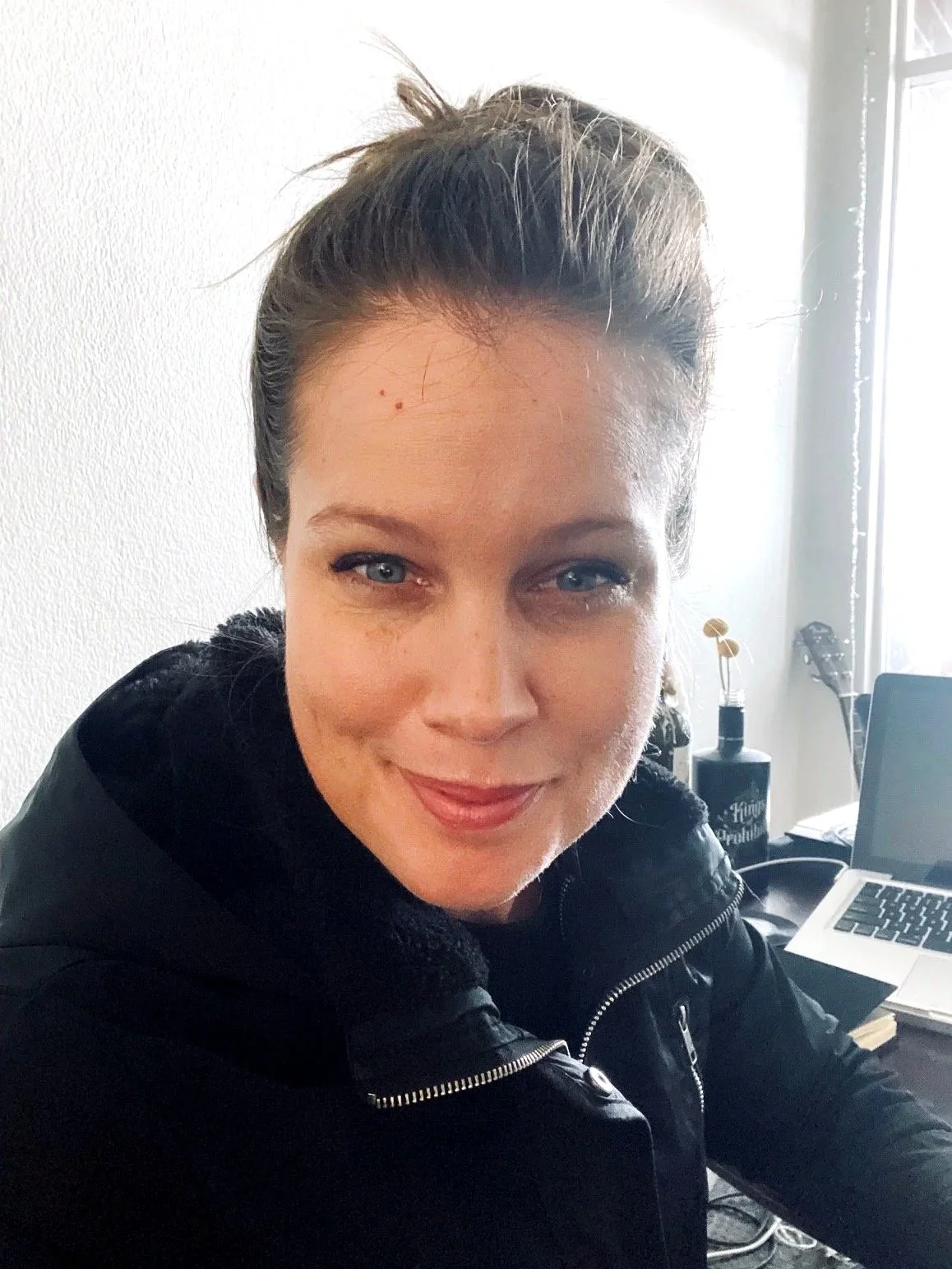
Belinda Thurlow
PsychotherapistClearer sense of what you're feeling and why
Recognition of recurring patterns in thoughts, behaviours, and relationships
Feeling safer and more authentic with others
A more grounded, stable sense of self with less self-criticism
Staying with difficult feelings without shutting down or being overwhelmed
More freedom and choice in how you respond and live
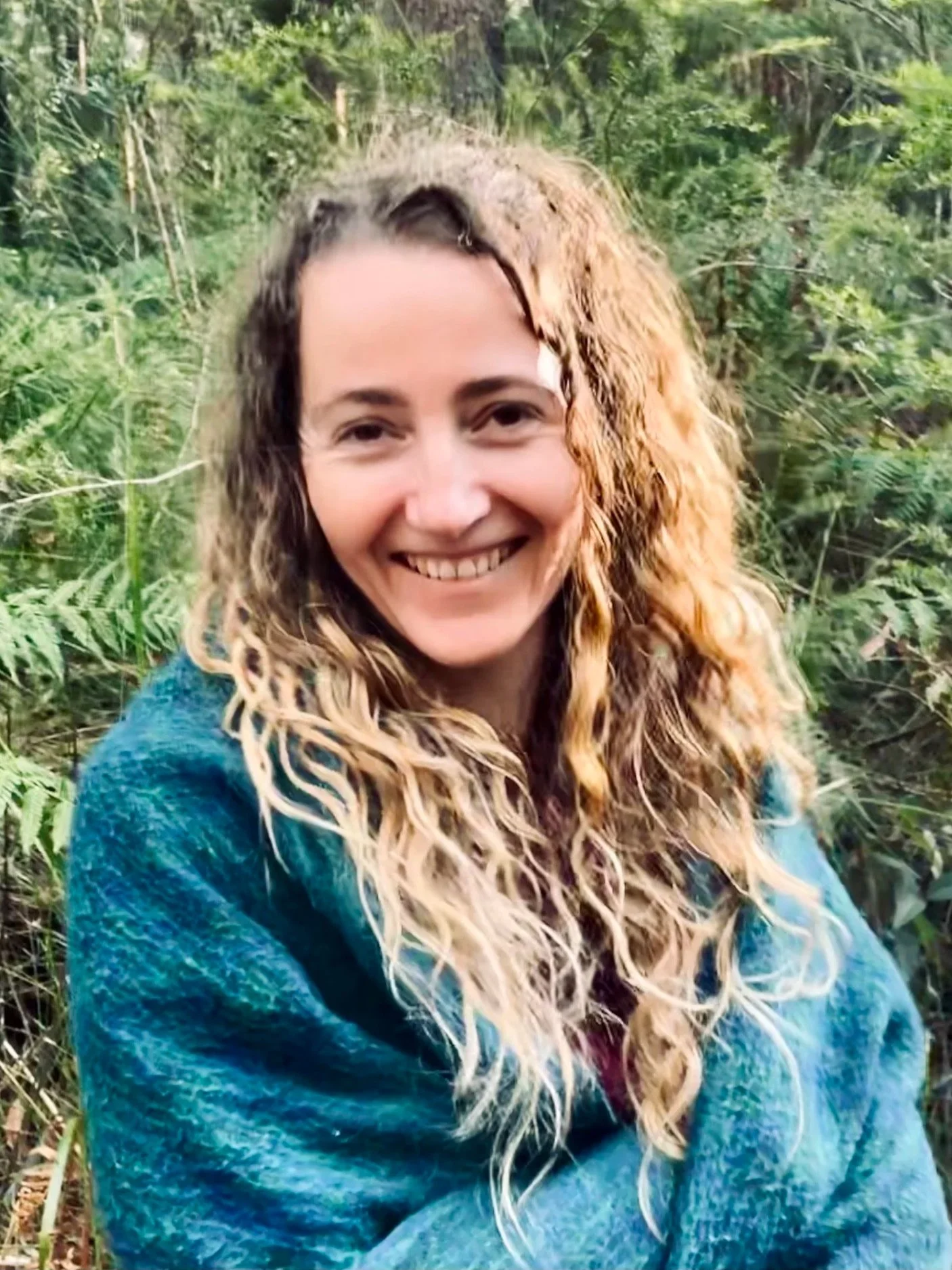
Lou Aylward
PsychotherapistTending to grief, loss, trauma, and major life transitions
Holding ecological and existential distress
Supporting through stress, burnout, anxiety, and depression
Reframing shame and self-criticism with dignity and care
Navigating relationships, intimacy, and complex family dynamics
Deepening connection with self, identity, culture, community, and the more-than-human world.

Nathan Dick
Psychotherapist & SupervisorPower and power imbalances within systems, structures, and relationships .
Cultural conditioning and normative culture, across societal, generational, family, and intrapsychic levels.
Gender norms and roles, including the limitations of binary expectations.
Mononormativity and nuclear family norms, including the dominance of monogamy and polyphobia.
Parenting that is neuroaffirming, respectful, collaborative, and attachment-focused.
Neuroaffirming practice: welcoming, deshaming, and reframing diversity.
Emmett Marsh
Emmett is a detail-oriented instructor who’s spent the past decade helping people develop new tools, habits, and mindsets. Their approach is clear, practical, and always infused with curiosity and care.
Eleanor Parks
Eleanor's background spans education, coaching, and creative development. With a strong focus on process and progress, Eleanor helps learners move from where they are to where they want to be—one step at a time.